게임 관련 정보
Aviation Classes
Aviation in Modern Warships is an integral part of the game and has a significant impact on the outcome of a battle. Proper use of aircrafts can help bring you and your team closer to victory. The aviation class includes: helicopters, fighters, attack aircraft, drones, and bombers.
Helicopters
Helicopters are the most common aviation class in the game. They can be launched from almost any ship: corvette, frigate, destroyer, cruiser, aircraft carrier, assault aircraft carrier, assault landing ship, battleship, ekranoplan (among ekranoplans, only RF Bartini A-2000-7 has a helicopter), and submarines (among submarines, only RF Bartini and RF Strazh have helicopters).
The helicopter’s role is reconnaissance and surprise attacks from the enemy’s rear.
Helicopters are capable of detecting submarines while they are submerged.
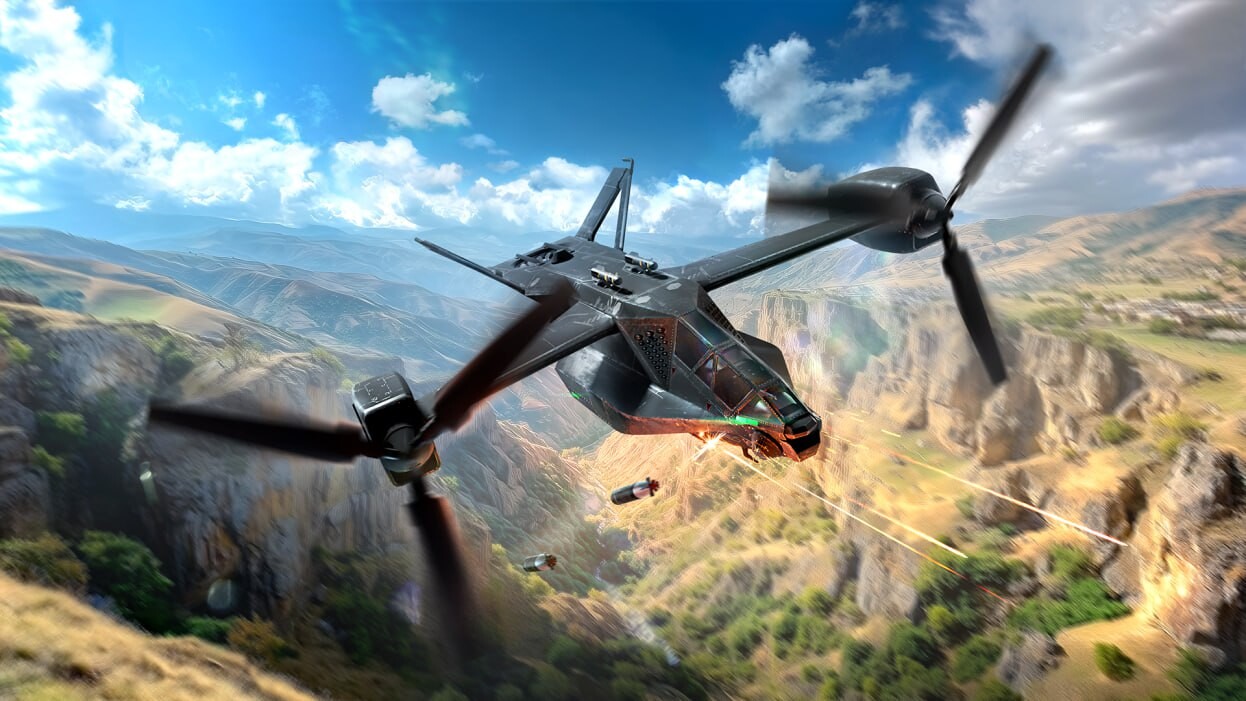
Helicopter Subclasses
Formally, all helicopters in the game are grouped into a single overarching class. However, due to significant differences in their arsenals and combat tactics, they can be divided into several distinct unofficial subclasses:
- Reconnaissance and Attack Helicopters: At the start of a battle, their main objective is the rapid detection and initial engagement of targets. Their role becomes critical if allied aerial recon is absent or the aircraft carrier commander neglects their duties. Unfortunately, due to intense enemy anti-aircraft (AA) fire, these machines rarely manage to return to the ship for repairs.
- Attack Helicopters: These differ from the recon/attack subclass by featuring an expanded weapon arsenal and greater firepower, which naturally reduces their flight performance. Depending on the available loadout, they can perform anti-aircraft or anti-submarine warfare (ASW) tasks. During the active phase of battle, attack helicopters are often used to oversaturate enemy air defenses: AA systems lock onto the chopper, increasing the chance of successful anti-ship missile strikes. Aside from acting as a decoy, an attack helicopter can deal substantial damage and effectively finish off heavily damaged enemy ships.
- Spotter Helicopters: A highly specific subclass currently available only within the air groups of certain ships. Despite excellent flight characteristics, their own armament is kept to a minimum. The key feature of these machines is providing over-the-horizon (OTH) targeting: they allow the carrier ship to lock onto targets and launch missiles without direct visual contact with the enemy.
Helicopter Tactics and Objectives
Unlike other in-game aviation classes, the tactical purpose of a helicopter directly depends on its equipped loadout. The choice of a specific machine is dictated by the player's needs: from conducting rapid reconnaissance to suppressing the enemy squadron with firepower. Nevertheless, the fundamental objective of any helicopter remains unchanged: actively supporting its carrier ship.
Landing Helicopters on Ships
As you may have noticed, helicopters cannot be quickly repaired and rearmed by simply flying into a designated zone. When ammo is depleted or heavy damage is sustained, you must press a dedicated button (in the UI or on the keyboard). After this, the helicopter will land and become temporarily unavailable while its durability and ammunition are restored. Once servicing is complete, the machine can take to the skies again, saving a valuable reserve point that would otherwise be spent if the helicopter was destroyed in combat.
Fighters
Fighters are a class designed for air combat, but more often serve as the team’s “eyes.” Fighters are armed with air-to-air missiles, a machine gun, or laser weapons and operate exclusively against enemy aircraft. However, there is one fighter in the game capable of dealing significant damage to ships — MiG-35D Fulcrum-F, which is equipped with FAB-500 bombs under both wings; their total damage is approximately 92,000.
The fighter’s role is to shoot down enemy aircraft and provide reconnaissance data to allied teams.
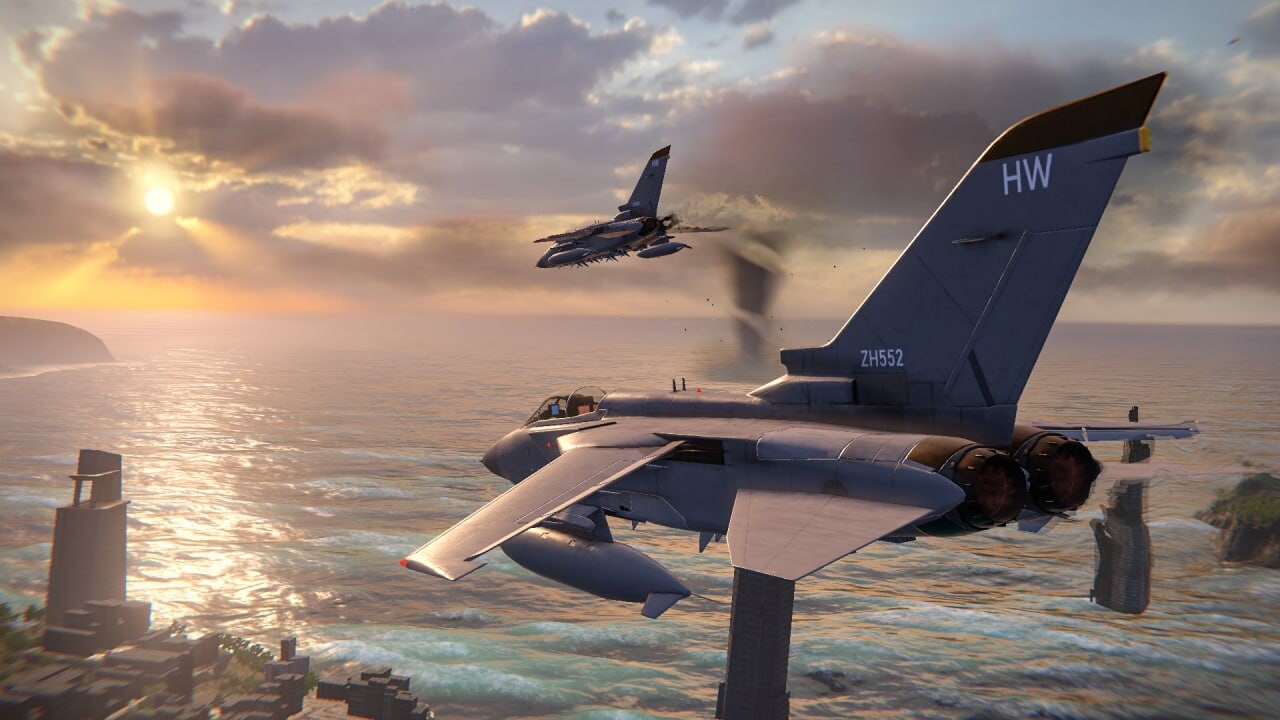
Fighter Tactics
- At the beginning of a battle, fighters can be used to detect the enemy team, making them appear on the minimap and revealing enemy health bars to allies.
- Fighters can also be used to intercept high-priority targets, such as bombers.
Fighters are a support class that helps keep enemies detected and assists in destroying enemy aviation.
Strike Fighters
Strike Fighters are one of the most important aviation classes and form the core damage output of aircraft carriers and assault aircraft carriers. They are highly versatile units that, depending on the model, can perform nearly any role: destroying ships, engaging enemy aircraft, attacking submerged submarines, bombing, and conducting reconnaissance.
The main role of a strike fighter is to deal massive damage to enemy ships, increasing the chances of victory; provide reconnaissance; and, depending on the model, destroy enemy aviation and submerged submarines.
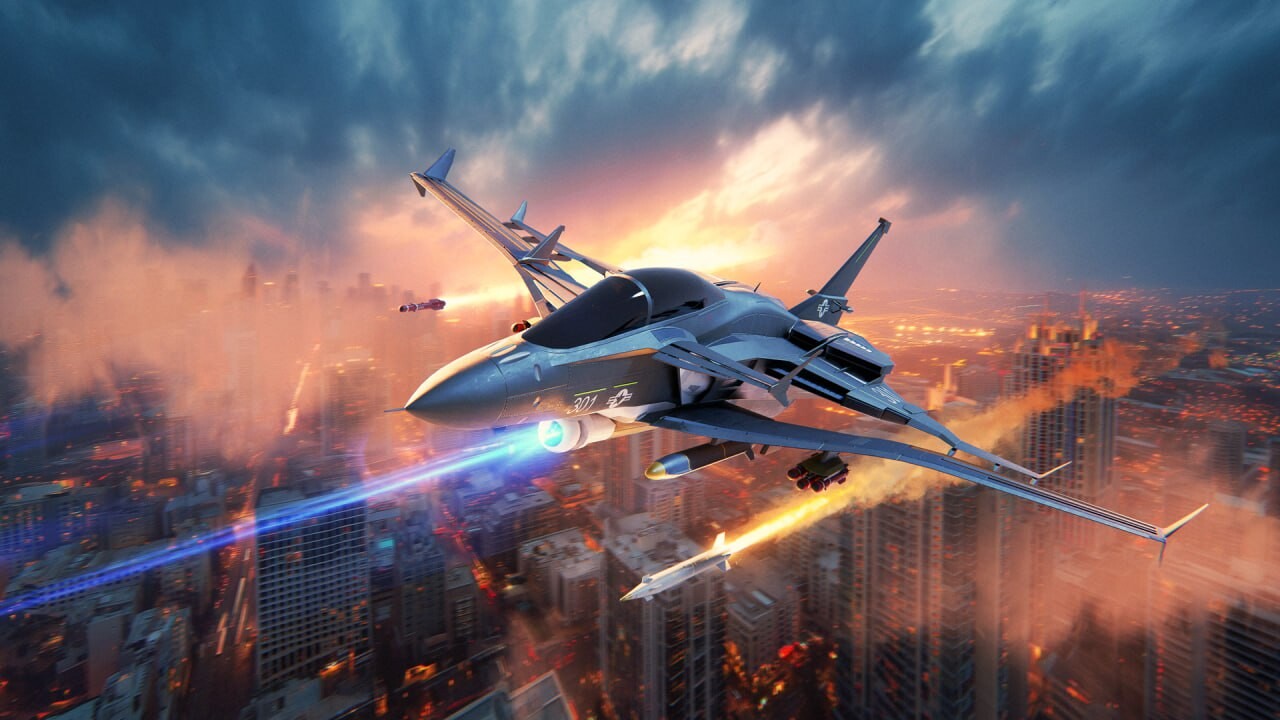
Not all strike fighters can detect submerged submarines. The exception is PSF-01, which can detect underwater submarines and attack them using Manta missiles. These missiles have a surface + underwater target type.
Strike Fighter Tactics:
- Use the “Carousel” (also known as “Piano”) tactic with strike fighters, drones, and, if possible, bombers. This tactic involves rapidly switching between units to deliver instant burst damage from two or three aviation units in quick succession.
- Some strike fighters use low-damage, high-volume missile salvos to bait enemy countermeasures, allowing heavier weapons to strike afterward.
Strike Fighters are a universal aviation class capable of both offense and airspace control. They can prevent enemy ships from approaching allied units or your aircraft carrier.
Drones
Drones are a versatile class that, like attack aircraft, can perform various roles depending on the model: destroying ships, engaging enemy aviation, gathering reconnaissance data, bombing, and destroying submerged submarines.
The role of a drone is to help deal as much damage as possible by combining it with other aviation classes; gather reconnaissance; and, depending on the model, destroy enemy aviation and submerged submarines.
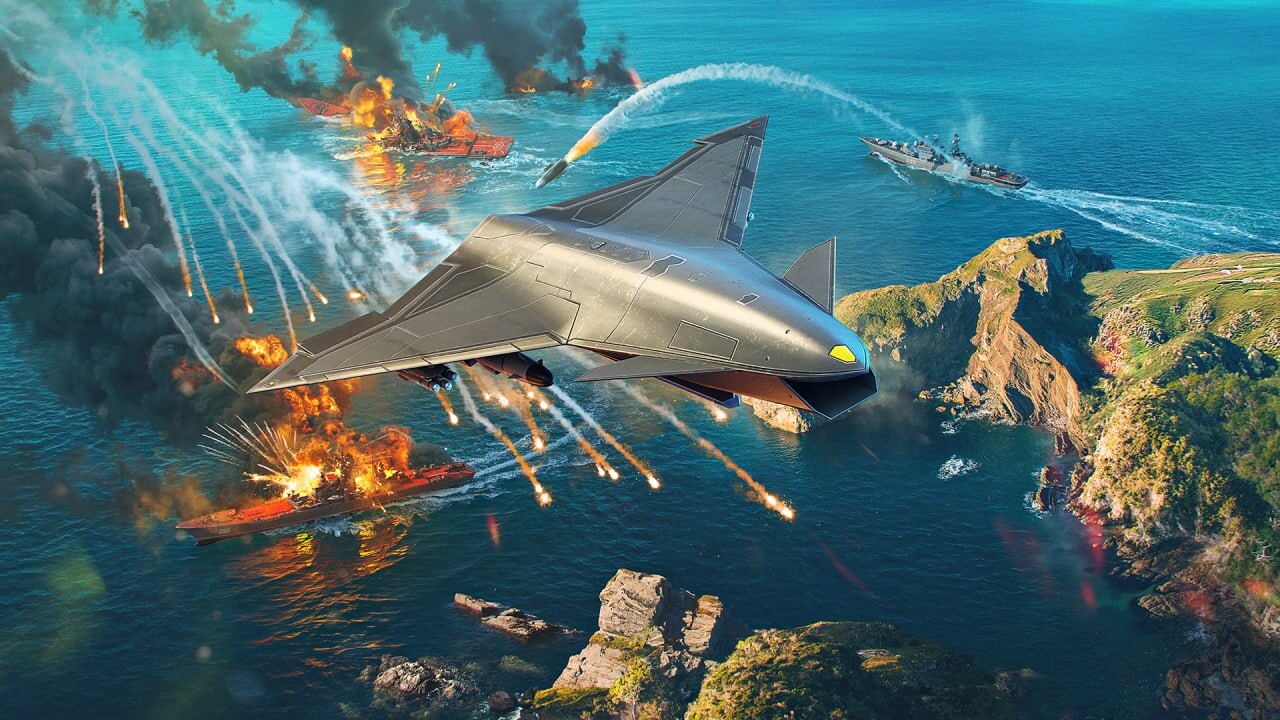
- As with attack aircrafts, not all drones can detect submerged submarines, except KUS-FS, Aksungur, and Jiutian, which also have missiles for attacking submerged submarines.
Drone Tactics:
- As mentioned, drones are best used with the “Carousel/Piano” tactic together with attack aircraft or bombers to deal maximum burst damage.
Drones are a universal class that serves as excellent damage support. They can also be used independently to deal damage without combining them with attack aircraft or bombers.
Bombers
Bombers are the most powerful aviation class, designed to deal massive damage to the enemy in a single sortie.
The role of a bomber is to deal huge damage to the enemy and, depending on the model, destroy enemy aviation and submerged submarines.
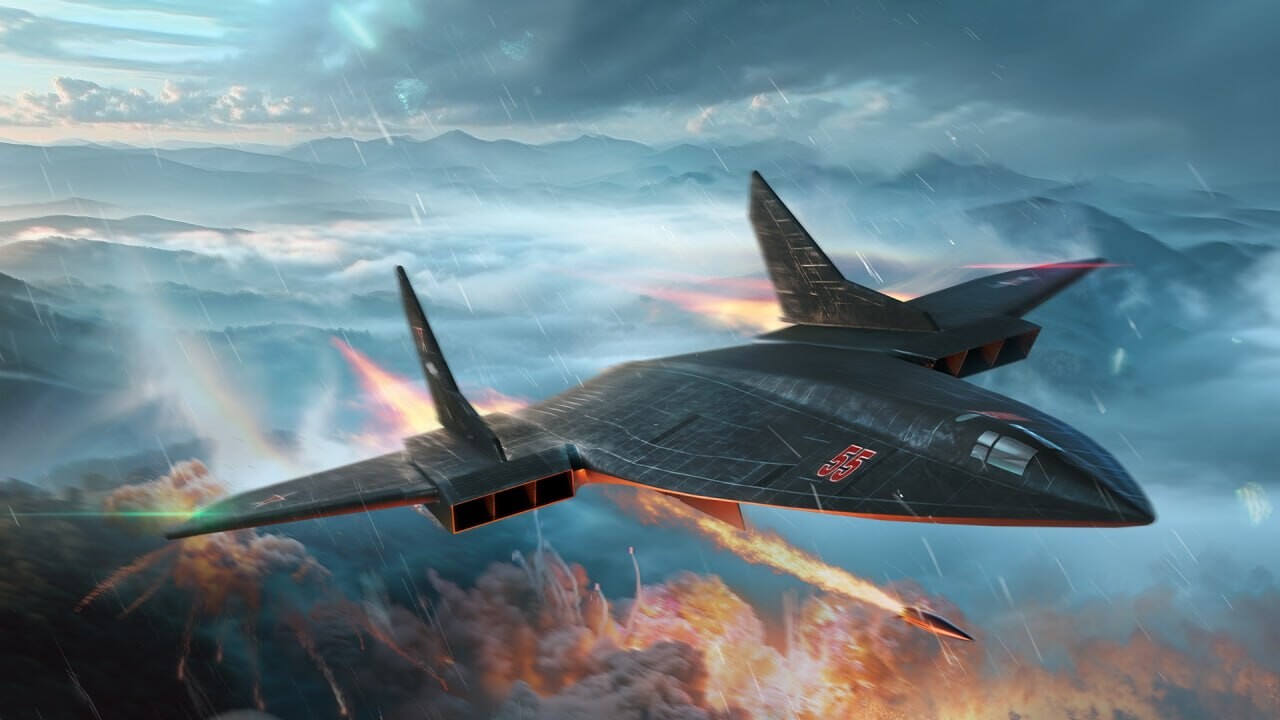
- As with attack aircraft, not all bombers can detect submerged submarines, except Nimrod MRA4, P-1, Swordfish MPA Global 6000, Tu-142M3M Bear-F, P-8, KBX, B-2A Spirit, Dark Star, and Xian H10, which are equipped with missiles and torpedoes to attack submerged submarines.
Some bombers can damage aircraft using air-to-air missiles or onboard air defense systems.
- Air-to-air missiles: Nimrod MPA4
- Air defense systems: B-52H Stratofortress, Tu-95MS Bear-H, Tu-142M3M Bear-F, Tu-22M3M
Bomber Tactics:
- Bombers are often used at the very start of a battle, which is effective on small and open maps like Storm, allowing allies to finish off damaged enemies.
- On other maps, it is better to save the bomber and deploy it at the right moment: to finish an enemy ship hiding behind cover, to provide team support, or to execute a “Carousel” combo.
Bombers are the strongest and most important aviation class and can change the course of the game. Their main goal is to deal the maximum possible damage on the first—and hopefully not the last—use during the match.